TX Firms Top Solar Perks: Save $ & Earth!
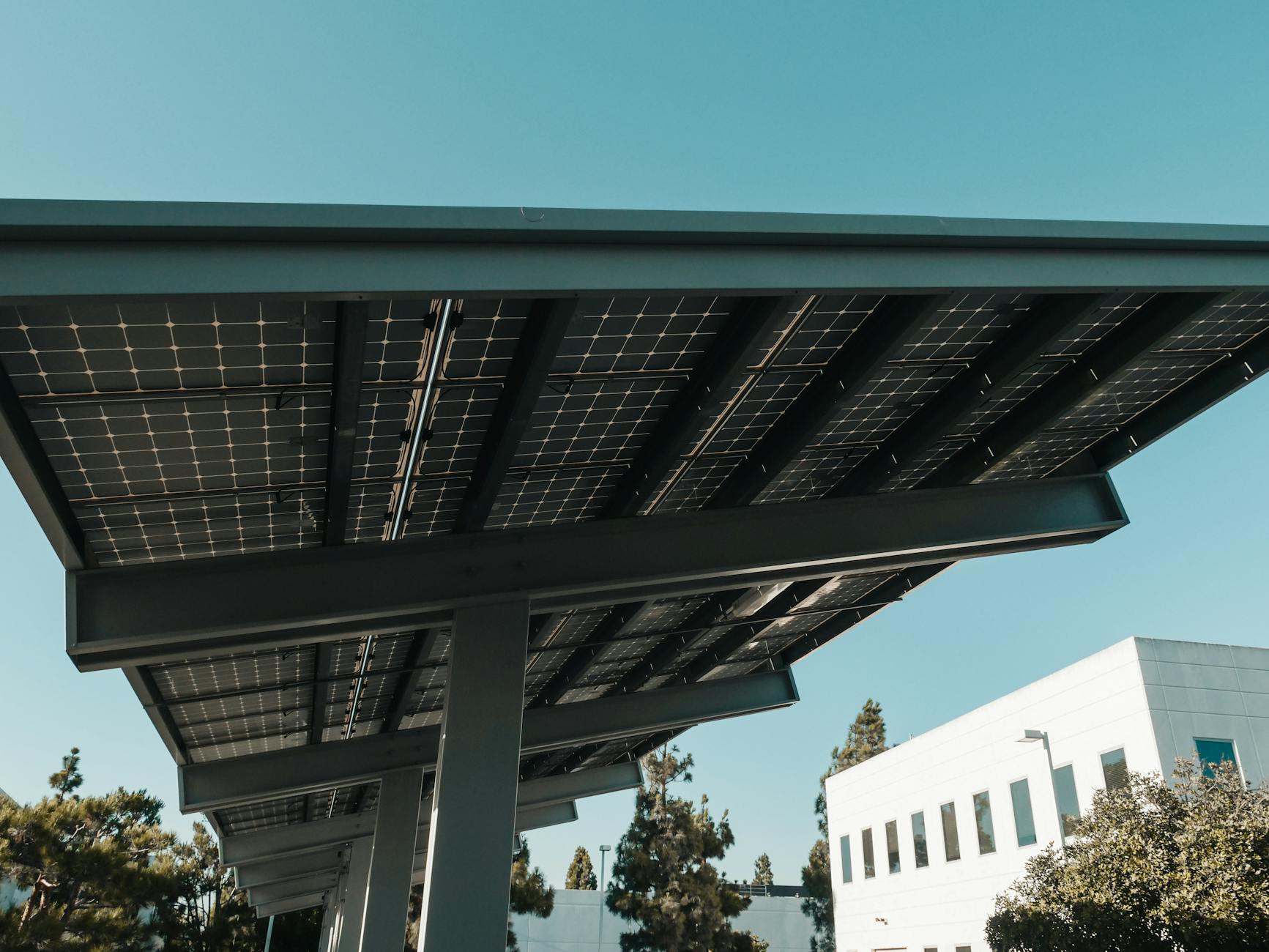
A Guide to Sustainable Savings and Environmental Stewardship
As the world confronts the looming threats of climate change and environmental degradation, businesses are increasingly turning toward sustainable practices. Texas is at the forefront of this shift, with local companies taking advantage of the state's abundant sunshine to power their operations. By offering solar incentives, these firms are not only slashing their energy costs but also contributing to the protection of our planet. In this educational piece, we'll explore how Texas companies are leading the charge in solar energy adoption, the incentives available, and the impact on both economics and the environment.
The Solar Advantage in Texas
Texas is known for its vast open lands and sunny weather, conditions that are ideal for capturing solar energy. Local businesses have begun to recognize the potential savings and environmental benefits that solar power can provide. By installing solar panels, companies can:
- Reduce their reliance on fossil fuels
- Decrease greenhouse gas emissions
- Generate long-term savings on energy costs
- Increase their energy independence
Solar Incentives and Savings
To encourage the adoption of solar power, various financial incentives are available to Texas businesses:
Federal Investment Tax Credit (ITC)
The federal government offers a significant tax credit to businesses that invest in solar energy systems. As of the knowledge cutoff date, the ITC allows companies to deduct a percentage of the cost of installing a solar energy system from their federal taxes, creating a powerful incentive to go solar.
Local Rebates and Incentives
Many local utilities and governments in Texas also offer rebates and incentives to further reduce the initial cost of solar panel installations. These can vary by location but often include:
- Reductions in permit fees
- Property tax exemptions
- Rebates based on the size of the solar system installed
Net Metering Programs
Net metering programs allow businesses to sell excess energy generated by their solar panels back to the grid. This can lead to additional savings and even revenue, depending on the size of the solar system and the amount of energy produced.
Accelerated Depreciation
Solar energy systems qualify for accelerated depreciation under the Modified Accelerated Cost Recovery System (MACRS). This allows businesses to recover investments in solar technology more quickly through depreciation deductions.
The Environmental Impact
By investing in solar energy, Texas companies not only enjoy cost savings but also actively participate in reducing environmental harm. Solar power is a clean, renewable source of energy that contributes to:
- Lower carbon emissions, as solar energy production does not emit greenhouse gases
- Conservation of water resources, as solar photovoltaic cells require little to no water to operate, unlike many traditional power-generation methods
- Reduction in air pollution, as solar power generation does not produce the harmful pollutants associated with burning fossil fuels
Case Studies: Texas Solar Pioneers
Many Texas companies have already seen success with solar energy. For instance, a supermarket chain in the state installed solar panels on its stores, leading to significant energy cost reductions while promoting its commitment to sustainability. Another example is a Texas-based data center that uses solar power as part of its strategy to ensure eco-friendly operations.
Conclusion
Texas companies are demonstrating that financial pragmatism and environmental responsibility can go hand in hand. The benefits of solar incentives are clear: reduced operational costs and a smaller carbon footprint. As more businesses embrace these sustainable practices, they not only save money but also become part of the global effort to save our Earth.
Texas is setting an example for the rest of the nation to follow. By harnessing the power of the sun, companies in the Lone Star State are brightening their financial futures and contributing to a greener, more sustainable world for us all.